Hong Kong, One More Day Plan your trip
EN
A double-decker tram on a Hong Kong street

Before you go to Hong Kong

Entry, airport transfers, transport and answers for your trip.

Passports, visas and immigration

Check the rules for the document you’ll travel with.

Do I need a visa to visit Hong Kong?

Look up your passport nationality and document type in the Immigration Department’s visa and entry-permit table. Check how long you may stay, any restrictions on transit, and whether you need a visa or registration before boarding. Travel on a visa-exempt passport still requires immigration clearance.

How long should my passport be valid?

Check the requirements for your document, airline and all onward destinations before you book. Carry the same passport you used to apply for a visa or registration. Specific arrangements can impose additional validity rules. For example, Indian pre-arrival registration requires an Indian passport with at least six months’ validity. See the Immigration Department’s visit and transit guidance.

Who needs pre-arrival registration?

If travelling on an Indian passport or under the arrangements for Taiwan residents, read the programme that applies to you. Each has its own eligibility, exemptions, permitted stay and notification requirements. Save or print your confirmation as directed and bring the matching document. Indian nationals · Taiwan residents.

What documents might I need at the border?

Keep your passport and any required visa or registration handy. Have your hotel address or host details, return or onward booking and proof you can cover your stay available if requested. Check the conditions and permitted stay granted at clearance. Hong Kong removed the routine visitor arrival and departure cards in October 2024.

Can I leave the airport on a layover?

To go landside you need to meet Hong Kong’s entry requirements. Some passports require a visa even for airside transit. Ask your airline whether it can check your bags through, especially on separate tickets, and whether you need to clear immigration. Check in time for your next flight and allow for security, travel and queues. Airport transfer and transit guide.

Can visitors use the e-Channel gates?

Some visitors can use automated immigration clearance through eligibility or enrolment arrangements. Check what applies to your passport, travel document and port, and use the staffed counters if directed. Keep any landing slip you receive and check the permitted stay it lists. Immigration Department e-Channel guidance.

Can I work, study or extend my stay as a visitor?

Check the conditions of your permission before making arrangements. Visitor status generally prohibits employment and study. If your plans change, consult Immigration’s visa and extension services before your permitted stay expires.

Airport arrivals and departures

Pick a transfer that works for your hotel, budget and landing time.

How do I get from the airport to my hotel?

Choose the Airport Express for a rail trip to Tsing Yi, Kowloon or Hong Kong Station. Check the final leg to your hotel, as the nearest station may still be a walk or taxi ride away. An airport bus can get you closer to some hotels. Taxis are an option with heavy luggage or if you need a door-to-door ride. Hong Kong airport transfers

What if I arrive after midnight?

Check the last train for your arrival date and the overnight airport bus routes. Allow time for immigration and baggage collection. Save your hotel address in English and Chinese and confirm that the front desk can check you in late. Use the airport taxi rank if the last leg of your route is difficult. Airport transport options.

What if my bag never arrives? Can I store luggage?

Report a missing checked bag to your airline or its baggage service before you leave the reclaim area. Keep your bag tag and ask for the report number. For storage during a layover, check the airport facilities directory for luggage storage location, hours and charges. HKIA passenger guide.

How early should I get back to the airport?

Follow your airline’s check-in and bag-drop deadlines. Allow time for the journey, security and the walk to the gate. If you want to drop bags in town, check your airline’s eligibility and opening hours before planning around it. Confirm your terminal or check-in area the day you fly. MTR in-town check-in · HKIA departures.

Public transport and walking

Use the MTR for distance, then take a ferry or tram for the view.

Should I get an Octopus card?

Octopus is a stored-value card accepted on much of the transport network and at many shops. Compare a physical tourist card with mobile Octopus if your device and payment card are eligible. Check top-up, refund and card fees before choosing. Octopus for tourists.

Can I use my bank card on the MTR?

Use a supported contactless Visa, Mastercard or UnionPay card at the marked gates. Tap the same card or device in and out. MTR lists the applicable fare and exclusions. Other operators may accept different payment methods. MTR contactless payments.

When should I take a tram, bus, ferry or taxi?

Choose the MTR for many longer trips. On northern Hong Kong Island, the tram is good for a slower street-level ride. The Star Ferry makes a short harbour crossing. Use buses for beaches and places beyond the MTR. Check ferry timetables before an island trip. Ask about taxi payment options before setting off and keep small notes handy. Public transport guide · Star Ferry.

How do I find the right exit or the last train?

Save the station name and exit letter, and check the walking route from street level. If you’re catching the last train, check the final departure and any onward connection. For an early flight, check airport transport separately. MTR timetables.

Customs and what to pack

Know what to declare and what to leave at home.

Which Customs channel should I use?

Use the red channel for restricted goods, goods over a duty-free allowance, or more than HK$120,000 in combined currency and bearer negotiable instruments, including the equivalent in foreign currencies. Check separate tobacco and alcohol limits before buying duty-free. Customs declaration rules · Duty-free allowances.

Can I bring a vape, CBD products or food?

Leave vapes and heated tobacco products at home if entering Hong Kong. CBD is controlled as a dangerous drug. Check the rules before packing meat, poultry, eggs, plants or animals. Limits and permits depend on the item and origin. Vapes and heated tobacco · CBD rules · Passenger clearance guide.

Can I bring prescription medicine?

Check the active ingredients against Hong Kong’s rules before packing. A reasonable personal-use quantity in your luggage may be exempt from licensing, but some medicines are controlled and can require documentation. Keep medicines in their original packaging and bring a copy of the prescription. Customs guidance on medicines.

Which plug adaptor do I need?

Hong Kong uses 220 V, 50 Hz and mainly the three-pin Type G socket. Check the voltage marked on your charger or appliance before using it. Pack an adaptor for a different plug shape. HKTB traveller essentials.

Money, cards and tipping

Carry a backup payment method for markets and small shops.

Do I need Hong Kong dollars in cash?

Hong Kong dollars are the local currency. Cards are useful in hotels, larger shops and many restaurants. Keep small Hong Kong dollar notes for cash-only stalls and cafés, or when a taxi’s payment options differ from yours. If a terminal offers to convert the transaction, compare its rate with your card’s terms.

Do I tip at restaurants or in taxis?

Check the bill first. Many restaurants add a service charge, often 10%. An extra tip is optional. Rounding up a taxi fare is also optional. Check individual bills for service, tea or other charges. HKTB on local money and customs.

How much is the hotel accommodation tax?

Hong Kong’s Hotel Accommodation Tax is 3% of the applicable accommodation charge. Check whether your booking total includes it or whether the hotel collects it at check-in. How much does a Hong Kong trip cost?

What should I budget for besides flights and hotels?

Price the airport transfer, local fares, ticketed attractions and any cross-border day trips. Add snacks, data and hotel charges shown at checkout. Mix paid outings with harbour walks and free or low-cost museums. Start with the budget and solo itinerary. How much does a Hong Kong trip cost?

Phones, Wi-Fi and language

Save the essentials so they’re available after landing.

Should I buy a SIM, use an eSIM or roam?

Compare roaming with a local SIM or eSIM. Check whether your phone is unlocked, whether it supports eSIM and whether your plan covers Macao or Mainland China if you’ll cross the border. For a local SIM, check the operator’s identity registration and activation steps. HKTB connectivity guide.

Where can I get Wi-Fi and what should I save offline?

Airport and public Wi-Fi can help you get started. Screenshot your hotel address, boarding passes, key routes and emergency numbers. Keep any copies of travel documents in secure storage. Download offline maps before a hike or island trip.

Will English be enough? What time zone is Hong Kong in?

Cantonese is widely spoken. Chinese and English are official languages, and English is common on railway and airport signs. Save Chinese place names for taxis and small shops. Hong Kong runs on UTC+8 year-round. HKTB traveller essentials.

Weather, typhoons and outdoor plans

Keep your most weather-dependent day flexible.

When is a good time to go and what clothes should I pack?

Autumn often suits outdoor sightseeing. Summer can be hot, humid and wet, and winter can feel cool on the water. Bring comfortable shoes, sun protection, rain gear and a light layer for air-conditioned spaces. Check the forecast shortly before you fly. Hong Kong Observatory.

What should I do during a typhoon or heavy rain warning?

Check Hong Kong Observatory warnings and follow their instructions. Recheck the airline, ferry company, train operator and attraction before moving. Heavy rain and high winds can interrupt services and close outdoor sites. Delay exposed hikes or coastal outings and use a safe indoor plan when advised. Typhoon precautions · Rainstorm warning system.

How should I plan a hike or island day?

Choose a route that suits everyone, check forecasts and leave enough daylight. Carry water and an offline map. Check service times for the return leg. For tidal routes such as Sharp Island’s sandbar, read tide guidance and skip the crossing when conditions are uncertain. See the nature guide for route-specific details.

Where to stay and what to book

Start with a neighbourhood that fits your plans and your pace.

Which area is best for a first visit?

Choose Tsim Sha Tsui for waterfront walks and museums. Central or Sheung Wan works well for food, ferries and Hong Kong Island sights. Jordan and Mong Kok put market streets and casual meals close by. Look up the walk from the exact station exit to your hotel before booking. First-visit itinerary. Where to stay in Hong Kong

What should I book in advance?

Compare tickets for theme parks, popular exhibitions and festival events before committing to a date. Reserve a restaurant if it matters to your trip or you’re a large group. Check venue opening days, cancellation terms and holiday hours. See Festivals & Events and Trip Itineraries.

What can I do before check-in or after checkout?

Ask your hotel whether it can hold luggage and when you can check in. For a short gap, pick a walk or meal near the hotel and leave enough time to collect your bags. Use the one-day harbour route if you have several hours.

Accessibility, children and dietary needs

Check the parts of the trip where a small detail matters.

How do I plan a step-free trip?

Check the exact station exit, lifts and transfer route in advance. Ask hotels and venues about room access, accessible toilets and step-free entrances. Steep pavements in parts of Hong Kong Island can make a short walk harder than it looks on a map. MTR barrier-free guide · HKTB accessible travel.

What should I check if I’m travelling with children?

Check lift routes, stroller policies, opening days and whether attractions have age or height limits. Ask your transfer provider about child seats in advance if needed. Plan one main outing, a meal break and an indoor backup. Hong Kong with kids · Family days beyond the theme parks.

How can I handle food allergies, vegetarian meals or halal food?

Show staff a written description of the ingredients you need to avoid, ideally in Traditional Chinese as well as English. Ask about broths, sauces, lard and shared equipment where relevant. Confirm halal certification directly with the restaurant if you need it. HKTB halal food guide.

Health, safety and emergencies

Save key numbers and know who to contact if plans go wrong.

Who do I call in an emergency?

Call 999 for police, fire or ambulance in Hong Kong. Give your street address or nearest landmark. For visitor information, call the Hong Kong Tourism Board on +852 2508 1234. Emergency and useful numbers.

What if I get sick or need medical help?

For an emergency, call 999. For non-urgent care, ask your travel insurer or hotel how to find a clinic and confirm what your policy covers, including overseas treatment and any activities you intend to do. Keep your policy number and insurer’s assistance line saved offline.

What if I lose my passport or wallet?

Report a lost passport to the police and contact the relevant consulate about a replacement or emergency travel document. If you lose a wallet, freeze your cards, contact the issuers and report theft to police. Notify your airline if a lost passport affects your flight. HKTB lost passport and wallet guidance.

Can I drink the tap water?

The Water Supplies Department monitors water quality against Hong Kong drinking-water standards. Ask your accommodation if a particular tap is marked unsuitable for drinking or if the building has issued any notice. Water Supplies Department.

Macao and Mainland China side trips

Check entry permission for each border and for your return to Hong Kong.

Can I take a day trip to Shenzhen or Guangzhou?

Check Mainland China visa or exemption rules for your passport and planned entry point. Confirm you can also re-enter Hong Kong on your return. Book cross-boundary transport with the name on your travel document and allow time for border checks. Mainland visa-free entry guidance · High Speed Rail departure process.

What should I check before going to Macao?

Check Macao’s entry rules and your Hong Kong re-entry eligibility. Compare a ferry with a coach over the Hong Kong–Zhuhai–Macao Bridge. Check which terminal you’ll use, the last return and how you’ll get back to your hotel. Macao entry and exit guidance.

Can I transfer directly between the airport and another city?

Hong Kong International Airport has designated cross-boundary transfer services. Check eligibility for your flight and route, baggage arrangements and check-in deadlines before booking. Some services operate airside and have specific immigration requirements. HKIA SkyPier Terminal.

Start with these three checks

  1. Confirm your passport, visa and registration requirements before you book.
  2. Plan the trip from the airport to your hotel, including a late-arrival option.
  3. Check what you can bring, especially medicines, duty-free items and food.

Entry and transport requirements can change. Use the official links in each answer to check what applies to your trip.

Travel planning websites

Still deciding where to stay, what to book or when your flight lands? These ten links are sorted by the October 2026 Semrush global travel and tourism traffic ranking.

  1. Booking.com

    Compare stays near landmarks and MTR stations.

  2. Trip.com

    Explore destination ideas, transport and things to do.

  3. Tripadvisor

    Find attraction categories and traveller reviews.

  4. Agoda

    Compare neighbourhoods and accommodation options.

  5. GetYourGuide

    Compare tour duration, meeting points and inclusions.

  6. Expedia

    Read district guides and explore accommodation.

  7. Flightradar24

    Track scheduled and live arrivals and departures at HKG.

  8. American Express Travel

    Explore luxury hotel amenities and heritage stays.

  9. Marriott Bonvoy Traveler

    Read neighbourhood stories and quick travel tips.

  10. Airbnb

    Explore local experiences and activity listings.

Official visitor information. For access changes, entry requirements, weather and transport, use the Hong Kong Tourism Board travel guide or the official links in Travel essentials.

What to do by interest

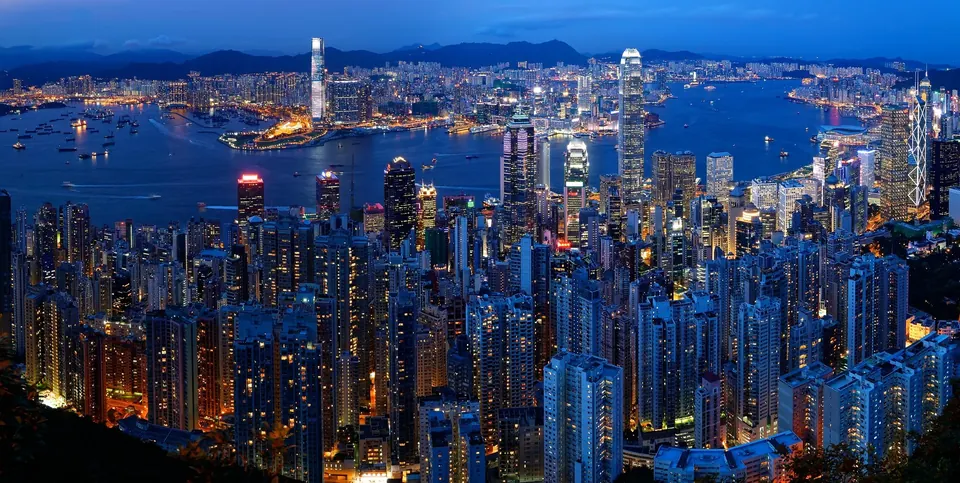
Hong Kong skyline and Victoria Harbour at dusk

Five essential experiences

If you’re wondering where to start, pick a ferry crossing, a view from The Peak or a meal you’ll remember.

  • Star Ferry
  • The Peak
  • Yum cha
  • Old Town Central
  • Lantau
Read the guide
  1. Cross Victoria Harbour on the Star Ferry

    Catch the ferry from Central and keep going along the water when you get off in Tsim Sha Tsui. Stay out long enough to see the skyline light up. If you want a longer walk afterwards, continue from the Clock Tower towards the Hong Kong Museum of Art.

  2. See the city from The Peak

    Ride the Peak Tram on a clear day. For a longer visit, follow Lugard Road for a different angle on the harbour. Save cloudy afternoons for a museum or a market. For a short visit, build in time for the ride and the return queue before setting a dinner reservation.

  3. Go for Cantonese yum cha

    Gather around a table and order har gow, siu mai and char siu bao with a pot of tea. A weekday morning can make for a calmer first visit.

  4. Explore Old Town Central

    Start at the former police and prison compound that now houses Tai Kwun, then follow Hollywood Road to Man Mo Temple and the lanes of Sheung Wan. The route involves hills and steps.

  5. Take a day trip to Lantau

    Start at Ngong Ping for the Big Buddha and Po Lin Monastery, then continue by bus to Tai O for waterfront lanes and views of its stilt houses. Check your onward and return journeys beforehand.
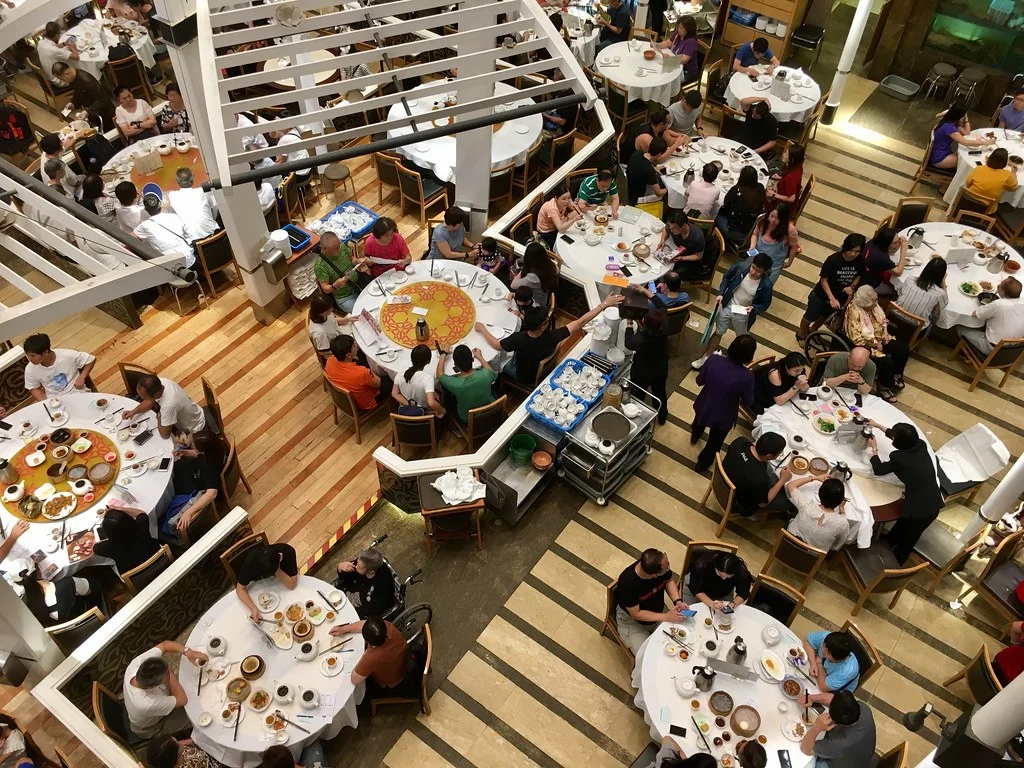
Diners sharing yum cha at a Hong Kong dim sum restaurant

Food & drink

Order dumplings to share, stop for milk tea and see what smells good after dark.

  • Dim sum
  • Milk tea
  • Roast goose
  • Claypot rice
Read the guide
  • Yum cha in Central or Kowloon

    Share steamed prawn dumplings, siu mai and barbecue pork buns. Try a rice noodle roll or turnip cake if you want to stretch the table beyond the classics.

  • Afternoon tea at a cha chaan teng

    Pair a silky Hong Kong milk tea with a buttered pineapple bun. In Wan Chai or Mong Kok, look for neighbourhood cafés serving baked pork chop rice and egg sandwiches.

  • Roast meats around Central

    Try roast goose, char siu or crispy roast pork over rice. Some places sell out of popular cuts, so lunch is a good time to go.

  • Temple Street and Jordan after dark

    Follow the night market with a claypot rice supper. Skewers, curry fish balls and egg waffles work well for a shorter grazing stop.

  • Egg tarts and bakery stops

    Try an egg tart from a neighbourhood bakery, then compare it with an egg waffle at a street stall. Ask what has just come out of the oven if you are choosing between pastries.

  • Seafood with a harbour view

    Build a lunch around the waterfront in Sai Kung or on Lamma. Ask whether seafood is priced per dish or by weight before ordering.

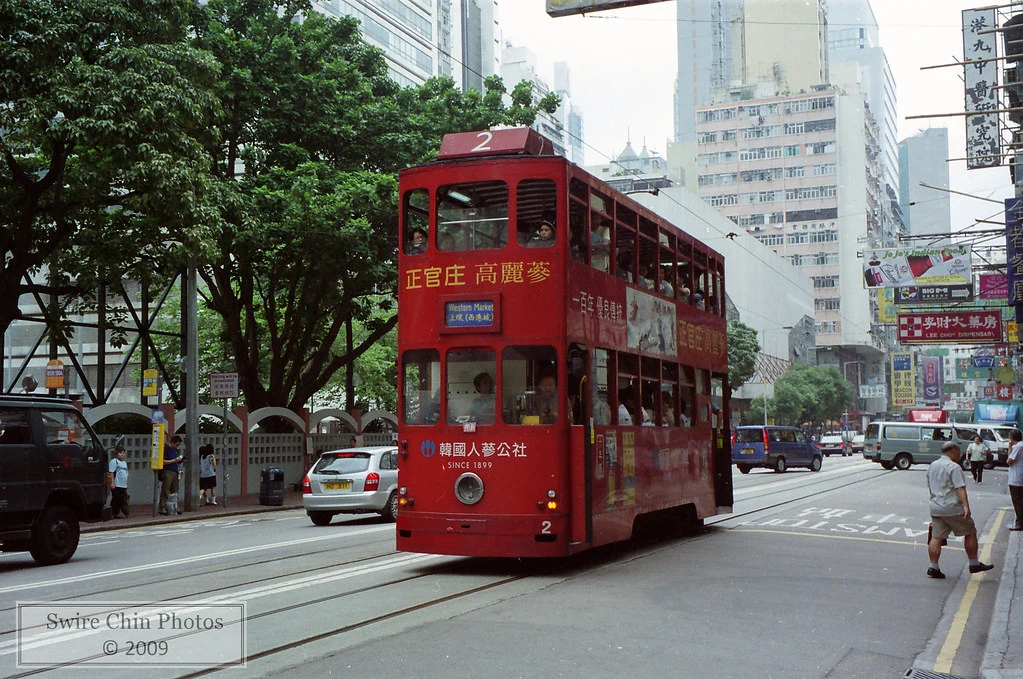
A double-decker tram on a Hong Kong street

Sights & attractions

Choose a skyline view, a slow waterfront stroll or the cable car up to Ngong Ping.

  • The Peak
  • Tsim Sha Tsui
  • Big Buddha
  • Disneyland
Read the guide
  • The Peak and Peak Tram

    Wait for a clear sky if you’re going for the view. Check the Peak Tram service and queue before heading over from Central.

  • Tsim Sha Tsui waterfront

    Pair the Clock Tower and the Avenue of Stars with a Star Ferry crossing. The promenade also makes an easy sunset walk.

  • Ngong Ping and the Big Buddha

    Visit Po Lin Monastery and the Big Buddha together. The statue’s upper platform involves stairs. Check cable-car operation or plan the bus from Tung Chung.

  • West Kowloon Cultural District

    Choose M+ for visual culture or the Hong Kong Palace Museum for historical collections, then spend time at the Art Park waterfront.

  • A rainy afternoon on Kowloon’s waterfront

    Choose Hong Kong Museum of Art or another indoor stop close to Tsim Sha Tsui. Check opening days and keep the harbour walk for a break in the weather.

  • Hong Kong Disneyland

    Take the Disneyland Resort Line from Sunny Bay. Give the park a whole day and check what’s open before you set out.

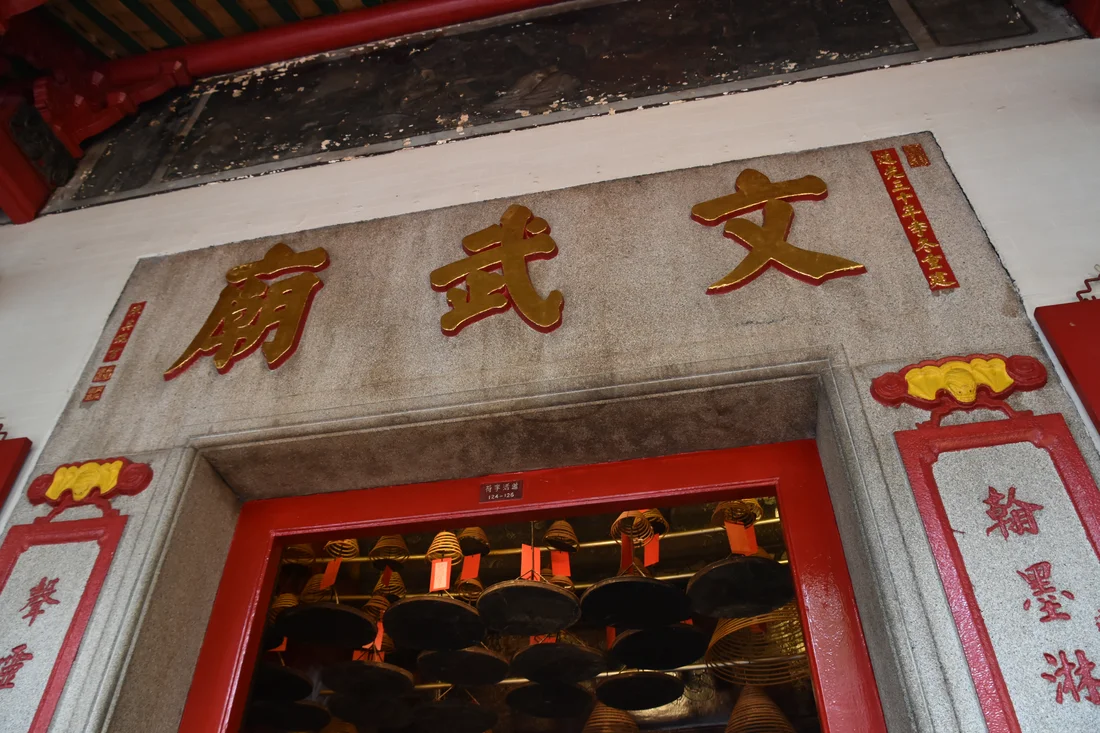
The entrance to Man Mo Temple on Hollywood Road

Arts & culture

Step into a temple on Hollywood Road or spend an afternoon with the art at M+.

  • Tai Kwun
  • Man Mo Temple
  • M+
  • Nan Lian Garden
Read the guide
  • Tai Kwun and PMQ

    Explore Tai Kwun’s restored courtyards and exhibitions, then walk to PMQ to browse Hong Kong design studios and small shops.

  • Man Mo Temple and Hollywood Road

    Visit the working temple known for its hanging incense coils, then browse Hollywood Road and nearby Upper Lascar Row. Follow posted rules inside.

  • M+ and the Hong Kong Palace Museum

    Pick whichever exhibition you’d most like to see, then walk the waterfront when you’ve had your fill of art. Check the museum’s opening days before you go.

  • Hong Kong’s everyday streets

    Ride a double-decker tram through Wan Chai and North Point, or take a market walk through Sham Shui Po for fabric, haberdashery and street snacks.

  • A neighbourhood introduction to Wan Chai

    Walk around the market streets for everyday shops and cafés, then take a tram east along the island. Save steep streets for a day when you have comfortable shoes and time to explore.

  • Nan Lian Garden and Chi Lin Nunnery

    Pair a garden walk with the timber architecture of Chi Lin Nunnery in Diamond Hill. Allow time to slow down between the courtyards.

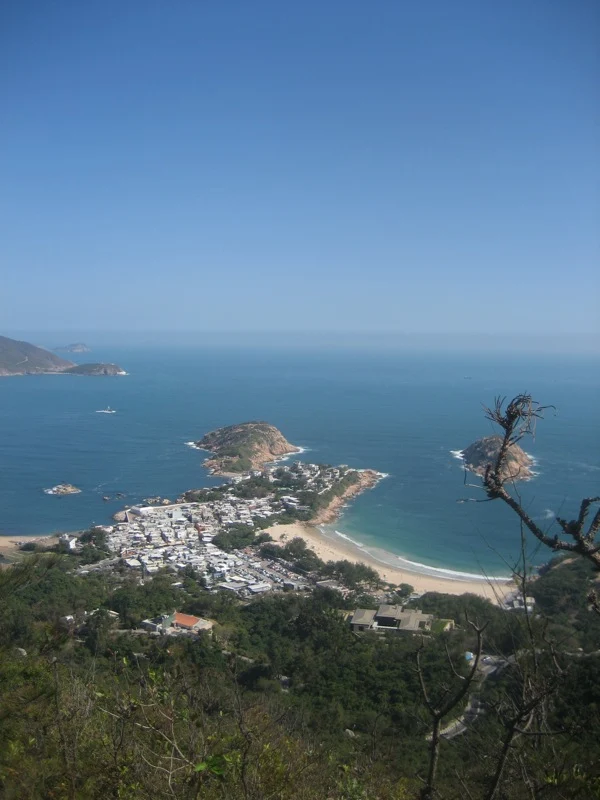
Green hills and coastline at Shek O seen from Dragon’s Back

Nature & islands

Swap the towers for a ridge walk, a boat ride past volcanic cliffs or a ferry to a village.

  • Dragon’s Back
  • Sai Kung
  • Lamma
  • Cheung Chau
Read the guide
  • Dragon’s Back and Shek O

    Walk the exposed ridge for views across the coast. Plan your exit to Big Wave Bay or take transport to Shek O, and choose the beach village alone if trail conditions are poor.

  • Sai Kung and the Geopark

    Start in Sai Kung town. For a day on the water, check sailing conditions and book a guided outing to see the volcanic rock formations. A town or waterfront lunch works as a flexible backup.

  • Lamma Island

    Take the ferry to Yung Shue Wan for village lanes and a beach stop. Continue to Sok Kwu Wan if you want a longer walk and check the return ferry from that pier.

  • Cheung Chau

    Explore the harbour lanes and try local snacks, then walk towards Tung Wan. Give yourself time to get back to the pier before the ferry you want.

  • An easy afternoon by the water

    Pick Stanley if you’d like a sea view without a long walk. Get a coffee, take a stroll and check your bus back before deciding on the beach.

  • Tai O, Lantau

    Explore the waterways and lanes around the stilt-house village. Pair a visit with Ngong Ping if you can comfortably make the bus connections.

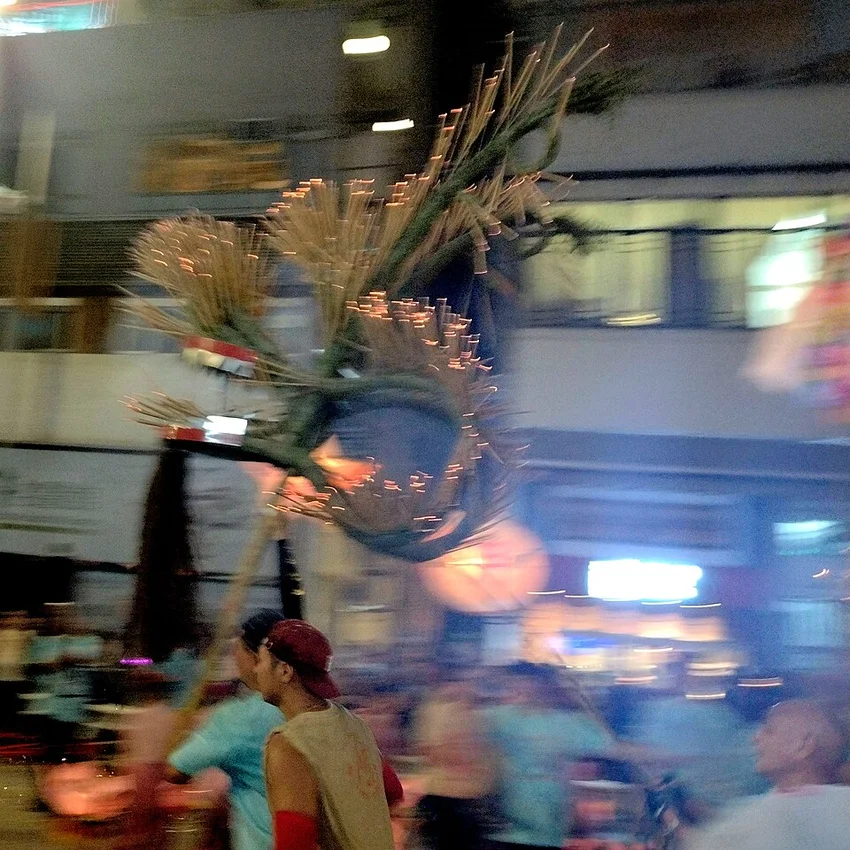
Performers carry the incense-lit fire dragon in Tai Hang

Major festivals

Time your trip for flower markets, race drums or a fire dragon winding through Tai Hang.

  • Lunar New Year
  • Bun Festival
  • Dragon Boat
  • Mid-Autumn
View festival highlights
Hong Kong, One More Day