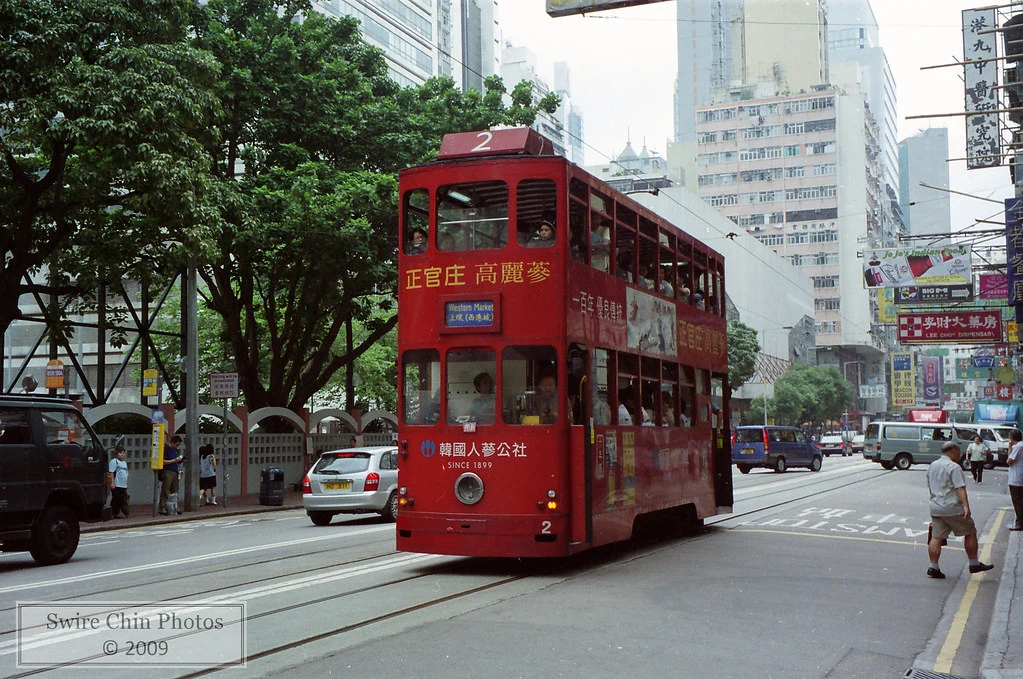
Hong Kong Island
Hop on a tram, see the harbour from The Peak or duck down a side street in Sheung Wan. When you want a break, head south for a beach or a meal by the water.
See Victoria Peak Plan your trip
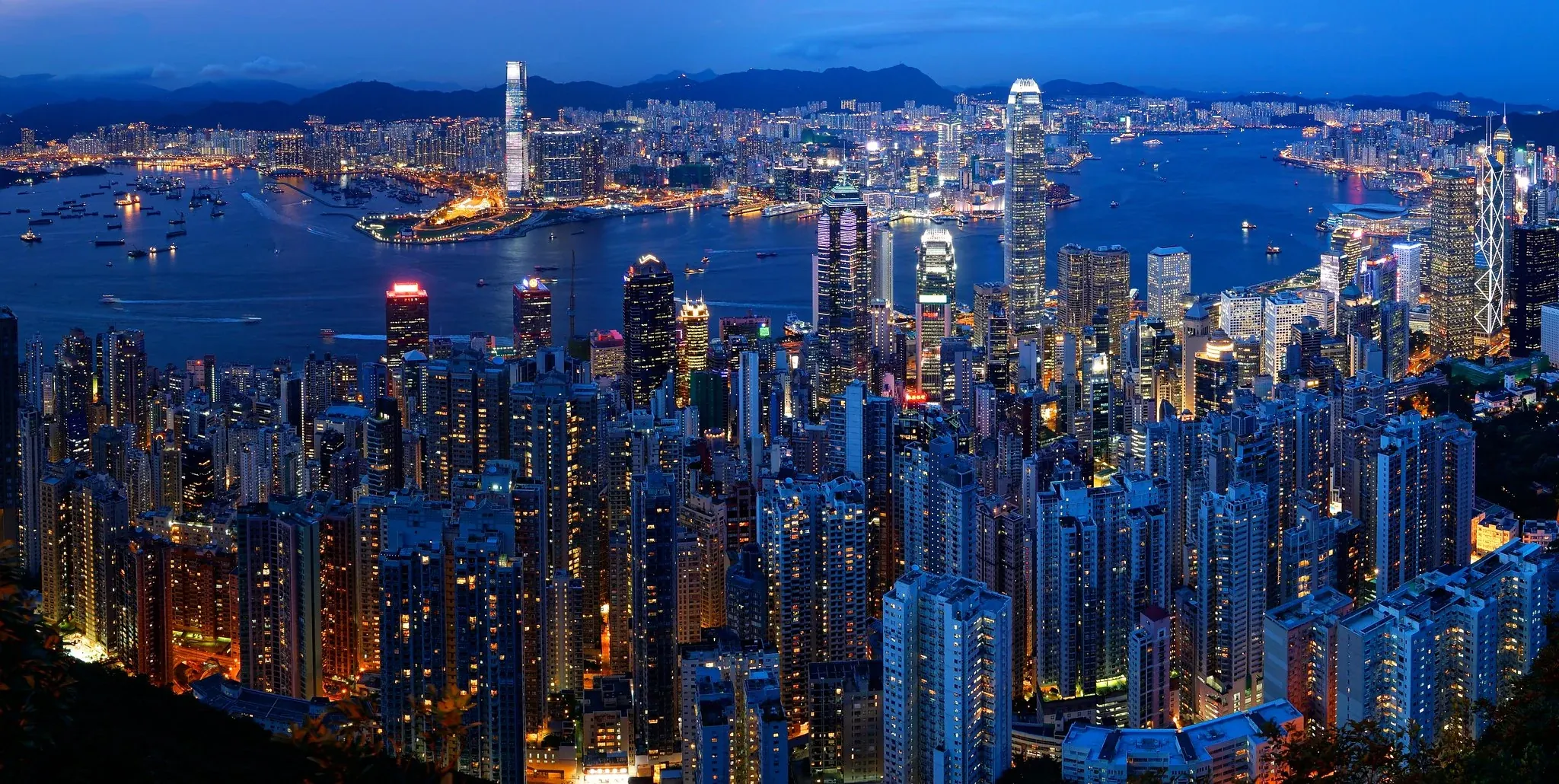
Get to know the neighbourhoods and choose where to stay.
Hong Kong (香港) is a Special Administrative Region of China on the south coast of China, near the Pearl River estuary. Victoria Harbour lies between Hong Kong Island and Kowloon. The New Territories extend north to Shenzhen, while islands such as Lantau, Cheung Chau and Lamma offer a slower pace within reach of the city.
Get to know both sides of the harbour first. Then pick a day away from the city streets.
Hop on a tram, see the harbour from The Peak or duck down a side street in Sheung Wan. When you want a break, head south for a beach or a meal by the water.
See Victoria Peak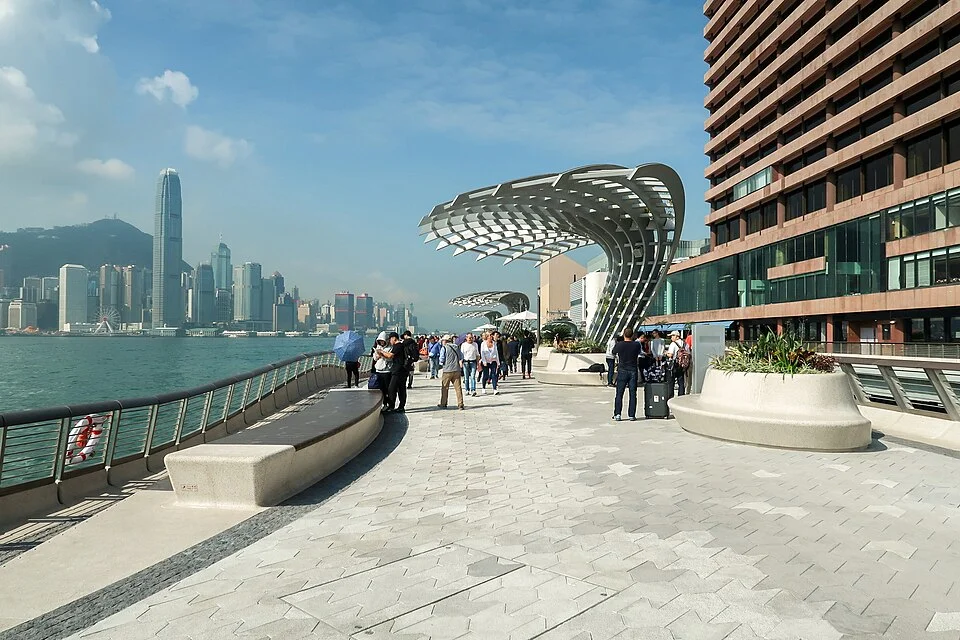
Go for the waterfront and museums, then head inland for food. Jordan, Mong Kok and Sham Shui Po all make a good stop when you’re ready to eat.
See the Avenue of Stars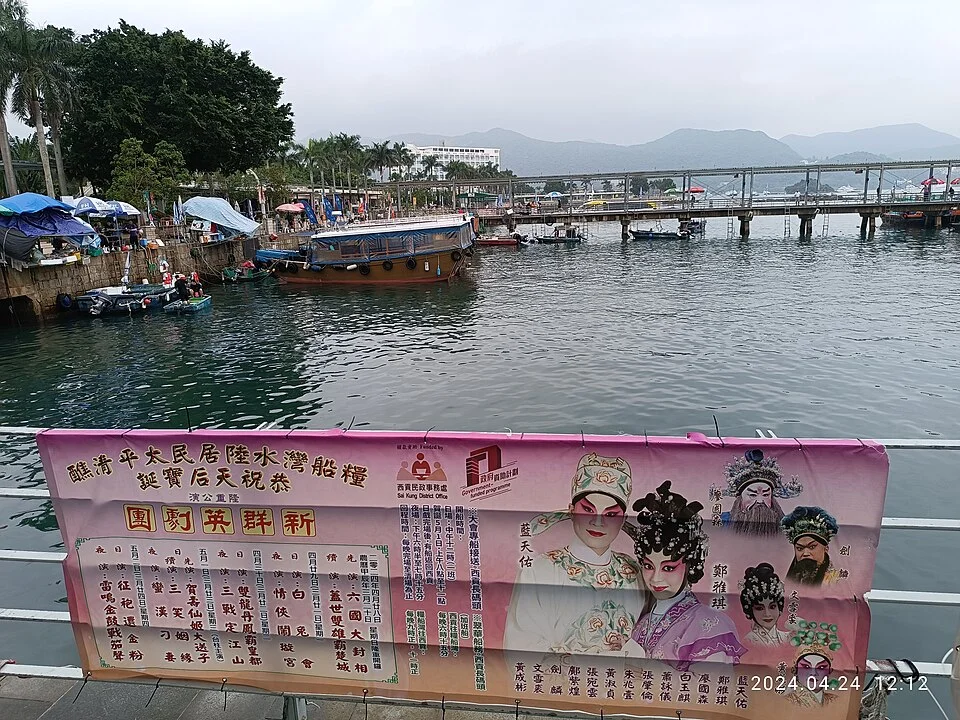
Spend a day in the New Territories if you want village lanes or a long lunch by the sea. In Sai Kung, you can add a boat trip along the volcanic coast when conditions allow.
See Sai Kung Waterfront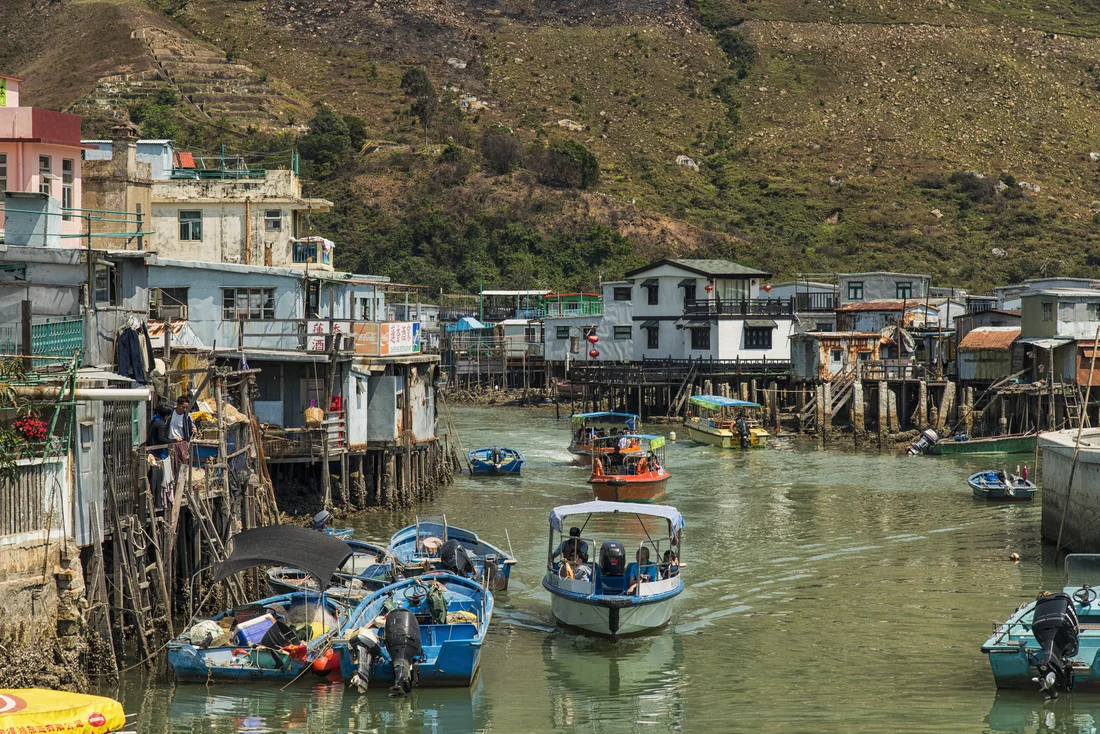
Use a whole day for Lantau’s Big Buddha and Tai O. For an easier ferry outing, try Cheung Chau for snacks or Lamma if you feel like walking between villages.
See Tai O Fishing VillagePick a hotel near an MTR station and somewhere you’d be happy to eat after a long day. That makes your evenings easier to leave open.
Choose this Kowloon base for the promenade, Hong Kong Museum of Art and the ferry to Central.
Stay here for Old Town Central, island piers and evening dining. Check the walk from your station exit if you have luggage or need a flatter route.
Stay inland in Kowloon for evening food stops, local cafés and easy access to the Temple Street area.
Choose Wan Chai for neighbourhood cafés and double-decker trams, with MTR access to Central and Causeway Bay.
Fishing communities and market towns predate Hong Kong’s development as an international port under British colonial rule. Hong Kong became a Special Administrative Region of China on 1 July 1997. You can see traces of that history in the former police and prison compound at Tai Kwun, the Clock Tower of Kowloon’s old railway terminus and the working Man Mo Temple.
Try Cantonese yum cha with tea and shared dim sum, stop for milk tea at a cha chaan teng, or plan around the Cheung Chau Bun Festival and the Mid-Autumn festivities in Tai Hang. At places of worship, follow posted photography rules and give worshippers space.
November and December are usually comfortable for long waterfront walks. In summer, give yourself breaks from the heat and humidity. Check Hong Kong Observatory climate guidance and the forecast before planning an outdoor day.
Give yourself three days if you can. That’s enough to see both sides of the harbour and spend a day on Lantau. With two days, stay in the city. With five, choose an extra island, a coastal walk or a festival. Compare the 2-, 3- and 5-day routes.
Use the MTR for most cross-city journeys, the Star Ferry between Central and Tsim Sha Tsui, and buses or ferries for many coastal and island trips. An Octopus card is useful for public transport and everyday purchases. See the Hong Kong Tourism Board transport guide.
Make a museum and a good meal the plan. Try Hong Kong Museum of Art in Tsim Sha Tsui or M+ in West Kowloon. Check exhibition tickets and opening days before leaving.